
TRANSCRIPT:
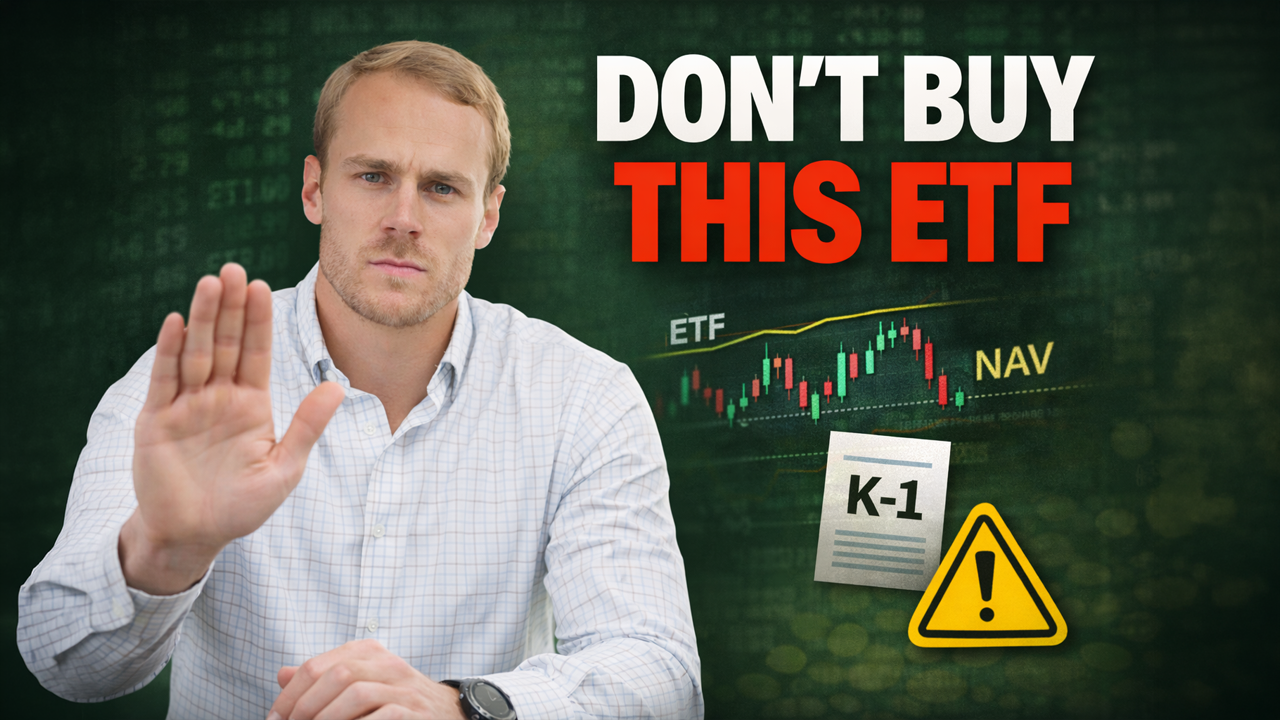
ETFs are supposed to make investing simple, right? But I see beginner investors making the same three ETF mistakes over and over—mistakes that quietly cost them money, taxes, and performance.
I’m Hunter Brockway with Boca Retirement Strategies, and today I’ll show you the three biggest ETF traps retail investors fall into and how to steer clear of them.
At Boca Retirement Strategies, we help people invest smarter, not harder, by focusing on strategy, not hype. Whether you’re saving for retirement or already investing through ETFs, understanding these mistakes could save you thousands over time.
Mistake number one: not paying attention to the index benchmark.
The first mistake is buying an ETF just because of its name. You see a ticker like VGT, the Vanguard Information Technology ETF, and think, “Oh, that covers all the big tech names—Apple, Amazon, Microsoft, Nvidia, Tesla.” But here’s the catch: it doesn’t.
Under the GICS classification system, Amazon and Tesla are considered consumer discretionary, and Meta and Alphabet fall under communication services. So even though you’re thinking you’re buying the tech ETF, you’re actually missing a lot of today’s biggest tech-related companies.
Another example: the Invesco S&P 500 GRP ETF, ticker SPGP. Its performance looks incredible until you realize it’s followed three different benchmarks since 2015. That means most of the historic outperformance came from an index it doesn’t even track anymore.
The moral of the story: read the fine print. Know what index you’re buying, how it defines sectors, and whether it’s changed over time. Always check the fund’s benchmark, sector definitions, and index change history before hitting buy.
Mistake number two: trading at market open or close.
Trading ETFs right as the market opens or closes can be risky. In those first and last 15 minutes of trading, bid-ask spreads widen and ETF prices can drift away from their actual value—their net asset value, or NAV. You might pay more, sell for less, or both.
ETF prices stay efficient thanks to something called in-kind creation and redemption. Large institutional players known as authorized participants swap baskets of the ETF’s underlying stocks for ETF shares. That’s how supply and demand stay balanced. But early in the morning or late in the day, that process hasn’t fully kicked in.
If you trade right after the opening bell, markets are digesting overnight news. If you trade right before close, volatility spikes as funds rebalance. The best time to trade is usually late in the morning or early in the afternoon when prices have settled. Of course, that’s no price guarantee.
If today’s video got you thinking about your own retirement planning, I’d like to offer something to help you see the bigger picture. We’ve created a tax-smart comprehensive retirement workbook for pre-retirees and retirees.
If there’s one thing I’ve noticed in my years of working with individuals, it’s that there’s always at least one aspect of the planning process where they say, “I haven’t thought about that before.” No matter how smart they are or how much they’ve saved, something comes up.
Maybe they realize they can spend more than they thought. Maybe they realize their tax bill is going to be higher in retirement. Maybe they’re going to leave money on the table with their current Social Security claiming strategy.
This workbook is designed to help you walk through the most critical areas of retirement planning with action steps, false beliefs to avoid, and space for your own reflections.
You can download the workbook using the link in the description. If you have any issues with that link, send us an email at contact@bocaretirement.com.
If you get through the workbook and would like your responses reviewed or have any questions, I’m happy to have that conversation with you. As always, this is no cost, no obligation, and no pressure.
Mistake number three: ignoring tax treatment.
Yes, ETFs are usually more tax-efficient than mutual funds, but that doesn’t make them tax-free.
Let’s look at a popular one: JPI, the JP Morgan Equity Premium Income ETF. It pays a tempting 11% yield. But here’s the catch—much of that income comes from equity-linked notes, or ELNs. Those are derivatives, and the income is taxed as ordinary income, not qualified dividends.
So if you hold JPI in a taxable account, you could be handing Uncle Sam a bigger slice than you realize.
Another hidden headache is the Schedule K-1 that comes with these types of investments. Some commodity or volatility ETFs are structured as partnerships, which means you become a partner for tax purposes. K-1s often show up late, are confusing to file, and can complicate your tax return—even for a small position.
If you enjoy paperwork surprises in April, by all means, buy one. For everyone else, check the structure first.
Always understand where an ETF’s income comes from and how it’s taxed before you invest. Hold high-yield or K-1-issuing ETFs in tax-advantaged accounts when possible.
Let’s recap the big three:
Know your index benchmark. Don’t buy it by name alone. Dig into the fund. Read the fine print.
Avoid trading at open or close when spreads widen.
Check tax treatment. High yields can mean high taxes.
Investing success isn’t just picking good funds—it’s avoiding unnecessary mistakes.
If you found this helpful, download our free tax-smart retirement workbook using the link in the description below. It’ll help you build your retirement portfolio the smart way.
I’m Hunter Brockway with Boca Retirement Strategies. Enjoy your successful retirement with more money, less stress, and fewer taxes.
Before you go, if you’re looking for a free tax-smart retirement plan tailored to your unique situation, head over to bocorretirement.com.
Enter your information in the popup and we’ll build you a plan tailored to your specific situation at no cost or obligation. If for some reason that popup doesn’t show, no worries—just send us an email at contact@bocaretirement.com.
Again, that’s no cost, no obligation. We’ll put together a simplified plan to help you take the next steps toward a successful, stress-free retirement with more money and fewer taxes.
See you over there. Bye.